
Itron Inspire
Hydro One Wins 2024 Itron Innovator Award
October 9, 2024



Utility infrastructure is essential for modern living, but maintaining it involves hazardous work. The utilities sector has a rate of exposure to serious injuries and fatalities (SIFs) that’s seven points higher than the all-industry average.
As covered in thefirst part of this series, workers can identify only 45% of the hazards they encounter on a normal work day. Utilities can increase hazard identification in the field by adopting the Energy Wheel, a diagram that calls out 10 sources of energy that can lead to illness and injury on industrial worksites if a worker comes into contact with them.Field experiments show that using the Energy Wheel increases hazard recognition by roughly 30%.
But, the Energy Wheel is only one part of a safety program grounded in energy-based hazard recognition. Along with understanding sources of energy, utility workers can improve their safety outcomes by looking out for the specific task-based hazards that place them at risk of a SIF.
Safety leaders have identified 13 high-energy hazards common on industrial sites that cause the majority of serious injuries and fatalities. Today, we’re exploring the first seven of these high-energy hazards in detail — what they look like, what makes them high risk, and how to control them to stay safe.
The Canadian utility is recognized for investing in grid modernization and customer experienceAs the energy landscape continues to evolve, leveraging Itron’s partner ecosystem to improve grid reliability and enhance consumer engagement has become an indispensable show of true partnership.
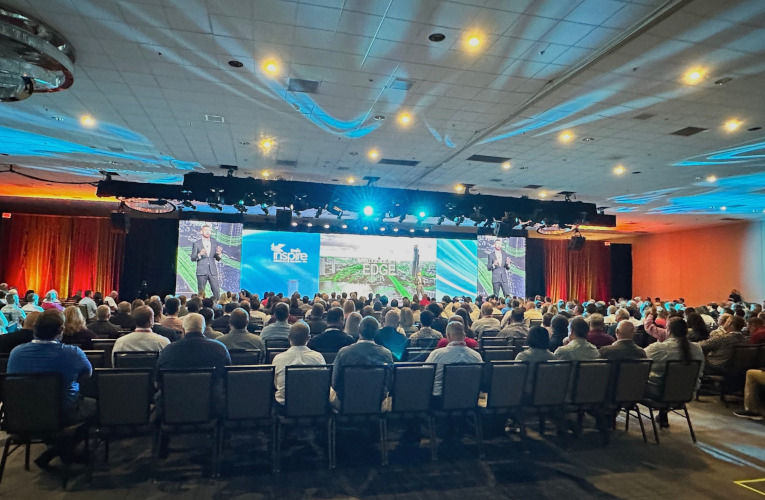
On October 7 at Itron Inspire 2024, we presented Hydro One, Ontario’s largest electricity provider, with this year’s Innovator Award. Hydro One was selected as the recipient of the 2024 Innovator Award for a technology initiative that leverages Itron’s Distributed Intelligence (DI) applications available through the Itron Enterprise Application Center and Distribution Automation (DA) solutions to assist with its grid modernization initiatives.
“Hydro One is proud to be recognized with the Itron Innovator Award,” said Martin Huang, Vice President, Strategic Projects and Initiatives, Hydro One. “Having a reliable supply of electricity and solutions that help us safely manage the grid is even more critical as we support the energy transition. We thank Itron for their recognition and are excited to continue working together in the future."
The Itron Innovator Award goes to a customer who has demonstrated their use of ecosystem tools and services such as development kits and innovation challenges or the customer’s selection of a partner that has done so.
13 High-Energy Hazards for Utility Workers (Part 1)
Past winners include Tampa Electric Company in 2023, City of London in 2022 and CPS Energy in 2021.Hydro One is specifically being recognized for its:
- First-of-its-kind DI project: Hydro One’s program integrates several DI applications into lab and field meters. This initiative prioritizes grid reliability and enhances the customer experience by providing them with visibility into their energy usage.
- Goal-driven collaboration: The project is enabling the utility to stay ahead of the curve to support acceleration in transportation electrification, DER adoption and grid modernization needs. Each stakeholder on the project, including Hydro One, Itron and several Itron third-party technology partners, collaborated to achieve a shared goal.
- Enhanced customer experience: In the future, the utility looks to further empower customers to make energy efficient choices by leveraging Itron’s DI Consumer Energy Stream Agent, which provides customers with a near real time view of their current power consumption at any given time.
- Visionary leadership in grid modernization: Hydro One is recognized for its agility and its ability to adapt to the ever-changing dynamics of the energy ecosystem and for embracing new technology.
“Hydro One continues to put its customers first by investing in an intelligent distribution grid that enables electrification, customer choice and improved reliability. We are proud to present the Itron Innovator Award to Hydro One for the utility’s continued dedication to creating a safer, more sustainable and interactive energy experience for its customer across Ontario, Canada,” said Ben Huggins, senior vice president of Customer and Market Experience at Itron. “Hydro One is a testament to the exceptional outcomes that become possible with Itron’s extensive partner ecosystem.”
The utility is also evaluating several DI applications, including Itron technology partner NET2GRID’s EnergyAI application, which analyzes Itron’s DI high-fidelity data to provide accurate residential load disaggregation, usage insights and demand predictions. The application provides visibility into how a customer is using energy and once enabled, will recommend ways to potentially save money by adjusting specific appliance usage. The Load Disaggregation application on the smart meter feeds data to consumer engagement applications that enable customers to use energy more resourcefully.
To empower customers to make energy efficient choices, Hydro One’s technology initiative is expected to leverage Itron’s DataHub which delivers near real-time data from the Consumer Energy Stream Application, an Itron streaming agent. This DI application streams consumption data at one-second intervals over Wi-Fi. If implemented, Hydro One and NET2GRID will use this data to provide insights and alerts to its customers, such as high usage during peak periods, as well as to improve the accuracy of load disaggregation information from appliances such as HVAC, hot water heaters, refrigerators, solar panels, electric vehicles and more.
In addition to helping customers better manage their consumption, save money and reduce their carbon impact, the data helps utilities track and optimize grid performance more accurately through better planning.
High-Energy Hazard #1: Fall From Elevation
Slips, trips, and falls are a leading cause of workplace injuries. Private industry employers reported 211,640 nonfatal injuries and illnesses in 2020, according to the Bureau of Labor Statistics. Tragically, they also reported 805 fatal falls.
Any fall can cause injury, but falls from elevation are particularly hazardous. By falling from a height of 4’ or more, workers can generate enough acceleration — increasing the overall energy in the incident — to turn a simple stumble into a SIF.
Environmental and situational factors compound the risk of a fall from elevation. A vegetation management worker trimming branches under normal weather conditions carries some risk, but the risk quickly mounts in wind and rain that raises the likelihood of a fall. Non-serious struck-by or electrical contact incidents that happen at elevation can spur falls that are much more severe than the original issue. These reasons are why working at heights is one of the most hazardous activities.
Critical Risk Controls:
- Substitute drones or other technologies where applicable to keep workers from needing to work at height.
- Ensure fall arrest systems are implemented and working.
- Inspect ladders to confirm safe installation (consider base, angle, tie-off).
- Maintain three points of contact when ascending or descending.
- Never work alone.
High-Energy Hazard #2: Fire With Sustained Fuel Source
Common utility worksite tasks like welding, grinding, vehicles operating on site, and more, introduce potential ignition sources that can lead to a fire if there is a fuel source in the vicinity. Any uncontrolled fire is concerning for workers, but fires with a sustained fuel source are especially serious.
While site personnel can typically stop small, isolated fires using blankets and fire extinguishers, fires with a sustained fuel source — say, fields of dry vegetation or pipelines carrying natural gas — aren’t so easily contained. Large volumes of fuel increase the potential energy of a situation and turn minor fires into long-lasting, intense blazes with real risk of causing SIFs.
Good job safety analyses will identify obvious risks of fire, but sustained fuel sources are easier to overlook. It’s important for safety managers to keep an eye out for potential sources of fuel and to ensure they are controlled before any hot work occurs nearby.
Critical Risk Controls:
- Review your site’s emergency response plan and verify communications and controls.
- Keep hot work, such as welding, away from sustained fuel sources.
- Assign fire watch during fire-risk activities and maintain it for 30 minutes or more after they are complete.
- Utilize gas detection monitors on gas worksites to detect leaks before they ignite.
High-Energy Hazard #3: Heavy Rotating Equipment
Chainsaws, augers, pulleys, hydraulic cable reels, conveyor belts, pumps, and grinders are essential tools for utility work, but the rotating motion in these equipment can be dangerous to utility workers. Rotating equipment can grip hair or loose clothing leading to serious injuries if a worker comes into contact with rotating parts of heavy equipment.
Critical Risk Controls:
- Install machine guards to protect workers from rotating parts on equipment.
- Keep body parts away from moving equipment, especially any with loose-fitting clothing or jewelry.
- Use of PPE such as cut resistant gloves.
- Use machines with auto-sensing devices or that auto-shutoff when an obstruction in the rotating mechanism is detected.
- Connect with equipment operators, spotters, and field workers before work begins.
High-Energy Hazard #4: High Dose of Toxic Chemicals or Radiation
Natural gas and other utility workers routinely encounter harmful substances, carcinogens, and noxious fumes through their daily tasks. High doses of these chemicals and compounds can cause acute health issues for exposed workers, ranging from difficulty breathing to chemical burns or cancer.
Unlike swinging cranes or unsecured platforms, chemicals are less obvious hazards, which makes them easy for workers to miss. Still, they contain vast potential energy that can disrupt human health as readily as any heavy equipment. After all, batteries work by converting chemical energy into electricity. Radioactive elements power nuclear facilities.
Because chemicals and radioactive substances are so dangerous and easily overlooked, utility companies must exercise extra care to call attention to them on busy work sites.
Critical Risk Controls:
- Limit exposure to chemicals as much as possible, including adjusting worker rotation to reduce frequency of exposure.
- Conduct hazardous materials training with any worker who may be exposed to chemicals.
- Store, handle, and dispose of hazardous materials in line with OSHA guidelines.
- Ensure workers use appropriate personal protective equipment (PPE) for any hazardous materials they may encounter.
High-Energy Hazard #5: High Surface Temperature
Many tasks common to utility work put personnel at risk for contact with high temperatures: welding, soldering, grinding, and more. Any hot work contains significant energy that can transfer to field staff, causing serious injury unless they take proper precautions.
Torches and spark-throwing grinders are conspicuous, but other sources of high temperature are more easily overlooked. Hot liquids can cause severe burns at temperatures that seem insignificant — as low as 133°F for 15 seconds. Similarly, asphalt on a hot day can reach 160°F — hot enough to cause third-degree burns in a few seconds.
Critical Risk Controls:
- Ensure mandatory training for anyone operating near high temperatures.
- Utilize required PPE such as heat resistant clothing and insulating gloves, sleeves, and shoes.
- Cover up (insulate or isolate) parts of equipment that are likely to reach high surface temperatures.
High-Energy Hazard #6: Mobile Equipment and Workers on Foot
Mobile equipment such as backhoes, drills, loaders, and light vehicles are foundational to utility work — but they’re also high-energy hazards, especially when operated around workers on foot. This category of hazard also includes machinery used for road construction, such as rollers, graders, and scrapers.
Utility workers on foot often operate near vehicles as they repair gas mains beneath roads or string power lines alongside them. These scenarios have resulted in many fatalities due to vehicles inadvertently backing into workers or otherwise striking them. Worse, in 2021, Bryan Adams, director of safety services/occupational safety at NiSource, reported that 67% of incidents between vehicles and workers on foot were from aggressive drivers with intentional actions — that is, angry motorists drove into utility work zones on purpose.
Any moving vehicle, including conventional trucks and cars, generates lots of energy that can lead to a SIF if uncontrolled. Mobile equipment is often easy to identify, but it can move quickly and surprise even vigilant workers.
Critical Risk Controls:
- Configure barricades between workers and roadways/mobile equipment work areas.
- Appoint flaggers and spotters for vehicles and mobile equipment.
- Explore technologies designed to limit equipment blind spots or issue proximity warnings to operators.
High-Energy Hazard #7: Motor Vehicle Incident (Occupant)
Operating or being a passenger in motor vehicles is a necessary part of utility work, and collisions that injure occupants are an unfortunate occurrence. According to the Bureau of Labor Statistics’ Fatal Occupational Injuries By Event chart, transportation incidents were the leading cause of death in 2020, with 1,778 fatalities.
Issues such as flat tires, ineffective braking, and poor road conditions can lead to collisions that result in SIFs. As mentioned above, heavy machinery builds up a lot of energy as it moves, which raises the likelihood of an incident becoming severe.
Critical Risk Controls:
- Require workers to wear seatbelts when vehicles are in motion.
- Forbid use of mobile devices until vehicles are parked in safe locations.
- Confirm driver qualifications and fitness for duty before workers get behind the wheel.
- Invest in work vehicles with collision avoidance systems on board.
***
Utility work can be dangerous, but ensuring workers are aware of every high-energy hazard they face on the job can significantly decrease their chances of sustaining an injury.
Check out Part 3 of this series, which will cover the remaining six high-energy hazards utility workers face on the job.